

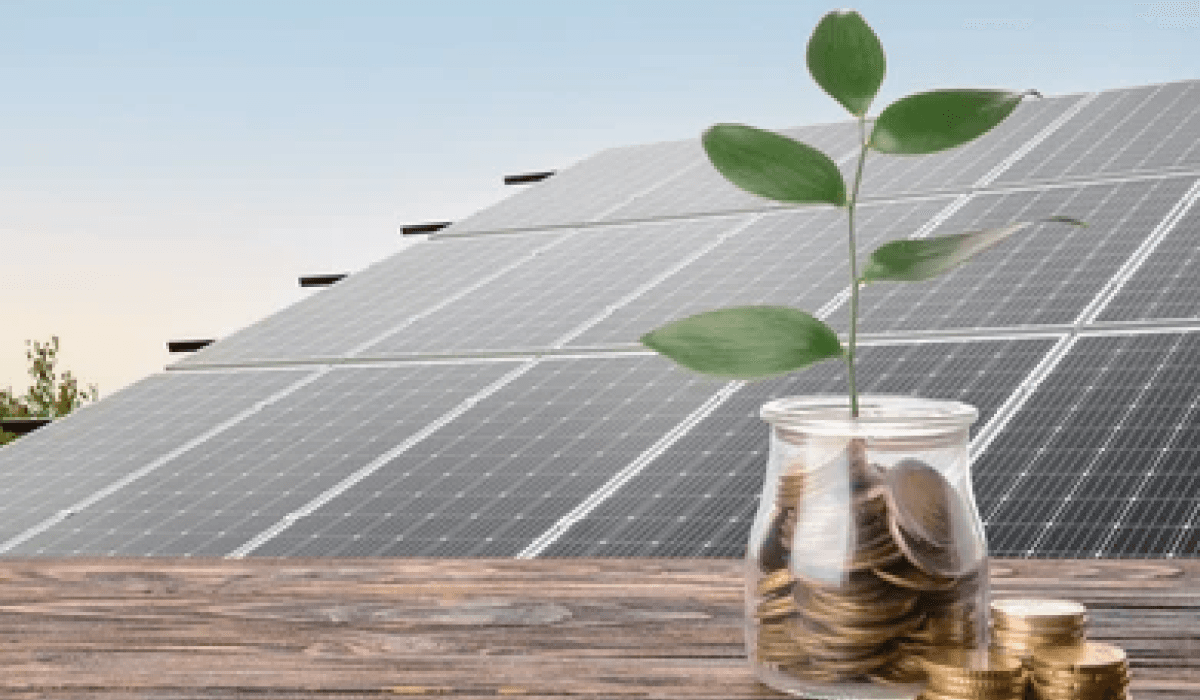
Hotels, restaurants, guest houses, and banquet halls in Uttar Pradesh run their air conditioners, kitchen equipment, water heaters, refrigeration, and lighting around the clock. The result is UPPCL commercial electricity bills ranging from Rs 30,000 to Rs 5 lakh per month, all billed at Rs 7-9 per unit. A correctly sized rooftop solar system can cut that bill by 50 to 70 percent, and 40 percent accelerated depreciation in the first year makes the investment even more attractive for hospitality businesses. Here is a practical guide for hotel and restaurant owners in Lucknow, Kanpur, Ayodhya, Raebareli, and across Uttar Pradesh in 2026.
Why Solar Makes Exceptional Sense for the Hospitality Sector in UP
The hospitality industry has one major advantage over most other commercial sectors: high and consistent daytime electricity consumption. Kitchens run from early morning, air conditioners run through the afternoon peak, and refrigeration never stops. This means a rooftop solar system generates power precisely when it is most needed, maximising self-consumption and reducing your dependence on the UPPCL grid.
The Real Cost of Commercial Electricity in UP
Under UPPCL's 2026 commercial tariff, businesses pay Rs 7-9 per unit depending on their load category and sanctioned demand. A mid-size hotel consuming 10,000 units per month pays approximately Rs 70,000 to Rs 90,000 in electricity charges alone, before fixed demand charges and surcharges are added. A 200-cover restaurant with heavy kitchen and HVAC load can easily consume 12,000 to 18,000 units monthly, pushing bills above Rs 1.5 lakh. Over a year, that is Rs 18 lakh walking out the door. Solar converts much of that cost into a one-time capital investment that pays itself back and then generates free electricity for 25 years.
How Solar Covers Your Biggest Loads
For restaurants and hotels, the top electricity consumers are air conditioning (typically 40-55 percent of the bill), kitchen equipment like commercial refrigerators, ovens, and exhaust fans (20-30 percent), water heating (10-15 percent), and lighting (10-15 percent). Solar generation is highest from 9 AM to 4 PM, which overlaps directly with peak AC use, lunch service, and housekeeping operations. Properly sized solar panels will offset the majority of this daytime demand unit for unit, while UPPCL net metering credits any surplus generation against your nighttime and evening consumption.
System Sizing, Costs, and Financial Returns for Hotels and Restaurants
What System Size Do You Need?
As a practical starting point: every 1 kW of rooftop solar in UP generates approximately 110 to 130 units per month in full-sun months. A restaurant consuming 10,000 units per month needs a system of roughly 75-90 kW to offset most of its daytime consumption. A 30-room hotel running at moderate occupancy typically needs 30 to 50 kW. A banquet hall used for weddings and corporate events 15-20 days per month can work well with 20 to 40 kW. Your sanctioned load and available rooftop area will also determine the upper limit, since UPPCL permits up to 90 percent of your sanctioned load as the installed solar capacity.
Investment and Payback Period
Commercial solar installations in UP cost approximately Rs 40,000 to Rs 55,000 per kW in 2026, including panels, a commercial-grade inverter, mounting structure, AC and DC cabling, and UPPCL net metering paperwork. A 50 kW system costs Rs 20 lakh to Rs 27 lakh before tax benefits. Accelerated depreciation at 40 percent under Section 32 of the Income Tax Act reduces your effective first-year tax liability significantly, often cutting the real post-tax cost by 30 percent or more for profitable hotel and restaurant businesses. At Rs 8 per unit saved, a 50 kW system generating 6,000 units per month saves Rs 48,000 per month, Rs 5.76 lakh per year. The post-tax payback period typically falls between 4 and 5 years, after which electricity is effectively free for another 20+ years.
Net Metering Under UPPCL
Commercial solar owners in UP can register for net metering under UPPCL's regulations, which allows surplus daytime generation to flow into the grid and be credited against your bill. This is particularly valuable for hotels and restaurants that have lower occupancy on weekdays or slower lunch periods. Units exported are credited at the applicable purchase rate, which effectively means your meter runs backward during low-demand periods and the credit offsets your nighttime and evening consumption automatically.
Practical Considerations for Hotels and Restaurants in UP
Rooftop Space and Structural Assessment
Every 1 kW of solar requires approximately 8 to 10 square metres of shadow-free rooftop area. A 50 kW system needs 400 to 500 square metres. Most hotels have flat concrete rooftops that are well suited to standard mounting structures. Restaurants in ground-floor commercial buildings or high-street locations may have limited rooftop access, in which case a smaller system sized to available space will still deliver meaningful savings. Before finalising system size, At Sunwize, we recommend a shadow analysis and structural load assessment to confirm the roof can support the system weight and that no obstructions, water tanks, or HVAC equipment will shade the panels during peak hours.
Uninterrupted Operations During Grid Outages
Standard on-grid solar systems shut down during UPPCL power cuts as a safety requirement. For hotels and restaurants where a power cut means food spoilage, guest inconvenience, and lost revenue, a hybrid solar system with lithium battery backup or a solar-plus-generator setup is often the smarter choice. A hybrid system can keep critical loads running during outages: refrigeration, kitchen equipment, corridor lighting, and the front desk, while still functioning as a normal grid-tied system during normal operation. The added cost of a hybrid setup is typically Rs 8,000 to Rs 15,000 per kWh of battery capacity, but for a business that cannot afford downtime, the math generally works.
Specific Opportunities in Key UP Cities
In Lucknow, the hospitality sector is growing fast with new hotels, cloud kitchens, and catering businesses around Hazratganj, Gomti Nagar, and Alambagh. Hotel and restaurant owners here often have well-structured RCC rooftops ideally suited for solar. In Ayodhya, the religious tourism boom has created dozens of new lodges, dharamshalas, and restaurants along the Ram Path corridor, many of which are paying high electricity bills and qualify for commercial solar with accelerated depreciation. In Raebareli and Kanpur, highway-side restaurants and dhabas with large daytime footfall represent strong solar opportunities since their peak power consumption aligns precisely with peak solar generation.
Permits, Approvals, and Timeline
Commercial solar projects above 10 kW in UP require a formal UPPCL application, a technical feasibility check, and net metering agreement before installation. The process typically takes 4 to 8 weeks from application to commissioning. Your installer should handle all paperwork including the synchronisation test and bi-directional meter installation. After commissioning, your UPPCL bill will reflect solar credits from the first billing cycle. The entire process from site visit to full operation usually takes 6 to 10 weeks for a well-prepared application.
Summary: Is Solar the Right Move for Your Hotel or Restaurant in 2026?
If your monthly electricity bill is Rs 30,000 or above, you have a reasonably flat rooftop, and your business is profitable enough to claim accelerated depreciation, rooftop solar is one of the highest-return capital investments available to the hospitality sector in UP today. With bills at Rs 7-9 per unit and rising, a 4 to 5 year payback on a system that lasts 25 years is a compelling proposition. Hotels and restaurants in Lucknow, Kanpur, Ayodhya, and Raebareli that install now also lock in their energy costs before tariff increases, making solar a hedge against future electricity price rises as much as a cost-cutting tool.
The PM Surya Ghar scheme's central subsidy of up to Rs 78,000 applies primarily to residential connections, but commercial businesses get an even more powerful benefit through accelerated depreciation and the ability to offset larger systems against higher load requirements. Talk to a qualified installer to get a site-specific proposal that includes shadow analysis, load profiling, and a financial model showing post-tax payback and 25-year savings for your specific property.
Related Keywords